---
title: PEACEPLUS ASPIRE
description: PEACEPLUS ASPIRE Partnerships in Action
---
[](https://www.leargas.ie)
- Explore Opportunities
- [Adult Education](https://www.leargas.ie/explore-adult-education-opportunities/)
- [School Education](https://www.leargas.ie/explore-school-education-opportunities/)
- [Vocational Education and Training](https://www.leargas.ie/explore-vocational-education-training-opportunities/)
- [Youth](https://www.leargas.ie/explore-youth-opportunities/)
- [Volunteering](https://www.leargas.ie/volunteer/)
- [Languages](https://www.leargas.ie/explore-languages/)
- Create a Project
- [Erasmus+](https://www.leargas.ie/erasmus-plus/)
- [Programme Guide](https://ec.europa.eu/programmes/erasmus-plus/resources/programme-guide_en)
- [Project Lifecycle](https://www.leargas.ie/erasmus-plus/project-lifecycle/)
- [Partner Finding Opportunities](https://www.leargas.ie/erasmus-plus/partner-finding-opportunities/)
- [Mobility Projects](https://www.leargas.ie/erasmus-plus/mobility-projects/)
- [Partnerships for Cooperation](https://www.leargas.ie/erasmus-plus/partnership-cooperation/)
- [Accreditation](https://www.leargas.ie/erasmus-plus/accreditation/)
- [Erasmus+ Priorities](https://www.leargas.ie/erasmus-plus/erasmus-priorities/)
- [DiscoverEU](https://www.leargas.ie/erasmus-plus/discovereu/)
- [European Solidarity Corps](https://www.leargas.ie/european-solidarity-corps/)
- [Programme Guide](https://europa.eu/youth/solidarity/organisations/calls-for-proposals_en)
- [Project Lifecycle](https://www.leargas.ie/european-solidarity-corps/project-lifecycle/)
- [Volunteering Projects](https://www.leargas.ie/european-solidarity-corps/volunteering-projects/)
- [Solidarity Projects](https://www.leargas.ie/european-solidarity-corps/solidarity-projects/)
- [Quality Label](https://www.leargas.ie/european-solidarity-corps/quality-label/)
- [ESC Priorities](https://www.leargas.ie/european-solidarity-corps/european-solidarity-corps-priorities/)
- Other Projects
- [Languages](https://www.leargas.ie/languages/)
- [European Year of Youth 2022](https://www.leargas.ie/european-year-youth-2022/)
- [Networks](https://www.leargas.ie/networks/)
- [EPALE](https://www.leargas.ie/epale/)
- [Youth Wiki](https://www.leargas.ie/youth-wiki/)
- [Eurodesk](https://www.leargas.ie/eurodesk/)
- [eTwinning](https://www.leargas.ie/etwinning/)
- [Application Process](https://www.leargas.ie/application-process/)
- [Guide to Your Funding](https://www.leargas.ie/guide-funding/)
- [Deadlines](https://www.leargas.ie/application-process/deadlines/)
- [Check Your Eligibility](https://www.leargas.ie/application-process/a-quick-guide-to-erasmus-plus-european-solidarity-corps-eligibility/)
- [Your Organisation ID](https://insights.leargas.ie/organisation-id-guide?hsLang=en-ie)
- [Application Forms](https://www.leargas.ie/application-process/application-forms/)
- [Projects](https://www.leargas.ie/application-process/projects/)
- [Networks](https://www.leargas.ie/application-process/networks/)
- [Manage Your Grant](https://www.leargas.ie/manage-your-grant/)
- [Volunteer](https://www.leargas.ie/volunteer/)
- [Training and Events](https://www.leargas.ie/training-and-events/)
- [Impact Stories](https://www.leargas.ie/impact-stories/)
- [Travel Advisories](https://www.leargas.ie/travel-advisories/)
- [Newsletter](https://insights.leargas.ie/sign-up-for-the-leargas-newsletter?hsLang=en-ie)
- [Blog](https://blog.leargas.ie/blog?hsLang=en-ie)
- [News](https://www.leargas.ie/news-landing/)
- [Resources](https://www.leargas.ie/resources/)
- [About Léargas](https://www.leargas.ie/about-us/)
- [Get In Touch](https://www.leargas.ie/contact/)
[](https://www.leargas.ie)
- [Travel Advisories](https://www.leargas.ie/travel-advisories/)
- [Newsletter](https://insights.leargas.ie/sign-up-for-the-leargas-newsletter?hsLang=en-ie)
- [Blog](https://blog.leargas.ie/blog?hsLang=en-ie)
- [News](https://www.leargas.ie/news-landing/)
- [Resources](https://www.leargas.ie/resources/)
- [About Léargas](https://www.leargas.ie/about-us/)
- [Get In Touch](https://www.leargas.ie/contact/)
- Explore Opportunities
- [Adult Education](https://www.leargas.ie/explore-adult-education-opportunities/)
- [School Education](https://www.leargas.ie/explore-school-education-opportunities/)
- [Vocational Education and Training](https://www.leargas.ie/explore-vocational-education-training-opportunities/)
- [Youth](https://www.leargas.ie/explore-youth-opportunities/)
- [Volunteering](https://www.leargas.ie/volunteer/)
- [Languages](https://www.leargas.ie/explore-languages/)
- Create a Project
- [Erasmus+](https://www.leargas.ie/erasmus-plus/)
- [Programme Guide](https://ec.europa.eu/programmes/erasmus-plus/resources/programme-guide_en)
- [Project Lifecycle](https://www.leargas.ie/erasmus-plus/project-lifecycle/)
- [Partner Finding Opportunities](https://www.leargas.ie/erasmus-plus/partner-finding-opportunities/)
- [Mobility Projects](https://www.leargas.ie/erasmus-plus/mobility-projects/)
- [Partnerships for Cooperation](https://www.leargas.ie/erasmus-plus/partnership-cooperation/)
- [Accreditation](https://www.leargas.ie/erasmus-plus/accreditation/)
- [Erasmus+ Priorities](https://www.leargas.ie/erasmus-plus/erasmus-priorities/)
- [DiscoverEU](https://www.leargas.ie/erasmus-plus/discovereu/)
- [European Solidarity Corps](https://www.leargas.ie/european-solidarity-corps/)
- [Programme Guide](https://europa.eu/youth/solidarity/organisations/calls-for-proposals_en)
- [Project Lifecycle](https://www.leargas.ie/european-solidarity-corps/project-lifecycle/)
- [Volunteering Projects](https://www.leargas.ie/european-solidarity-corps/volunteering-projects/)
- [Solidarity Projects](https://www.leargas.ie/european-solidarity-corps/solidarity-projects/)
- [Quality Label](https://www.leargas.ie/european-solidarity-corps/quality-label/)
- [ESC Priorities](https://www.leargas.ie/european-solidarity-corps/european-solidarity-corps-priorities/)
- Other Projects
- [Languages](https://www.leargas.ie/languages/)
- [European Year of Youth 2022](https://www.leargas.ie/european-year-youth-2022/)
- [Networks](https://www.leargas.ie/networks/)
- [EPALE](https://www.leargas.ie/epale/)
- [Youth Wiki](https://www.leargas.ie/youth-wiki/)
- [Eurodesk](https://www.leargas.ie/eurodesk/)
- [eTwinning](https://www.leargas.ie/etwinning/)
- [Application Process](https://www.leargas.ie/application-process/)
- [Guide to Your Funding](https://www.leargas.ie/guide-funding/)
- [Deadlines](https://www.leargas.ie/application-process/deadlines/)
- [Check Your Eligibility](https://www.leargas.ie/application-process/a-quick-guide-to-erasmus-plus-european-solidarity-corps-eligibility/)
- [Your Organisation ID](https://insights.leargas.ie/organisation-id-guide?hsLang=en-ie)
- [Application Forms](https://www.leargas.ie/application-process/application-forms/)
- [Projects](https://www.leargas.ie/application-process/projects/)
- [Networks](https://www.leargas.ie/application-process/networks/)
- [Manage Your Grant](https://www.leargas.ie/manage-your-grant/)
- [Volunteer](https://www.leargas.ie/volunteer/)
- [Training and Events](https://www.leargas.ie/training-and-events/)
- [Impact Stories](https://www.leargas.ie/impact-stories/)
.png?width=1860&height=570&name=PIA%20(1).png "PIA (1)")
# PEACEPLUS ASPIRE Partnerships in Action
These case studies are designed to highlight partnerships across PEACEPLUS ASPIRE, showcasing the range of sessions delivered and their impact on pupils, educators, families, and the local community.
*Keep reading to discover the transformative impact of PEACEPLUS ASPIRE, real-life insights and firsthand experiences!*
---
Deele College and The Royal and Prior Comprehensive School
Killard House School and Donaghadee Primary School
St Patrick’s Primary School, Annaghmore & Orchard County Primary School
Kilmood Playgroup and Teconnaught Preschool
Learn N Play Preschool and Stepping Stones Playgroup
Ballycarrickmaddy Primary School (BCM) and St Patrick’s Primary School
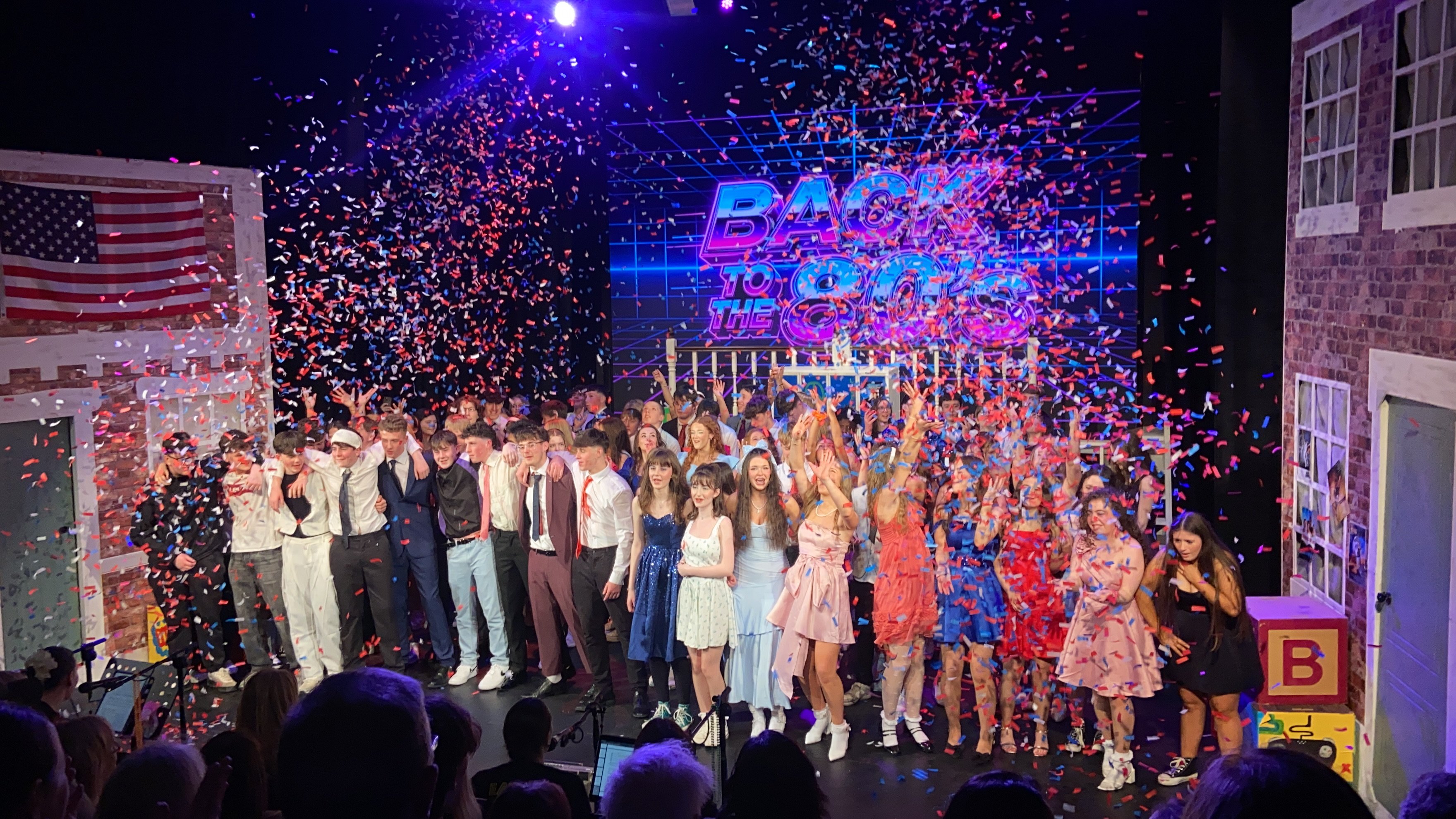
Raphoe, a historic town in east Donegal, is home to a unique and growing partnership between Deele College and the Royal and Prior Comprehensive School - two schools located less than a kilometre apart. What began several years ago with the joint initiative of the Transition Year Musical, has steadily expanded into a vibrant network of cross community activities. Together, the two schools are helping shape a new generation in Raphoe - one whose connections reflect not the divisions of history, but the collaborative spirit of the village they share.
**What Shared Education activities have you organised / taken part in?**
Kathy Ann and I, from two schools in Donegal - Deele College and The Royal & Prior - have been working together for several years to promote shared education, relationship‑building, and peace and reconciliation within the community. We have brought our Transition Year student groups together each year to collaborate on a full‑scale musical production. Activities include drama, music, and dance in theatre, technical theatre training, and collaborative script analysis exploring themes of identity, inclusion, and belonging.
**How have these activities benefitted the educators and young people?**
Our teachers recognise the importance of our collaboration and the difference it makes to our students. They have worked on shared school projects where students come together to help in the community, complete tasks, and take part in various other positive, relationship‑building activities. In this way, both our schools’ staff and students work together to promote and strengthen important community links, enhancing our key theme of peace and reconciliation. Our students develop confidence, teamwork, and conflict‑resolution skills while forming friendships across our school communities.
**What have been the challenges?**
At the beginning, the logistics of the production - timetabling, transport coordination, and aligning rehearsal schedules across two schools - required careful planning. I have to say, our partnership is strong, and we have definitely shared the load. I know it sounds like such a cliché, but we really do achieve more together. Initially, some parents were unsure about joint activities, but open communication and showcasing the benefits helped build strong support. With our two schools in the same area, there has always been a sense of competition, as well as differences in religious backgrounds. However, this project has helped bridge those gaps, and we see the value of shared education and collaboration.
**Let’s hear from the young people**
*“I was really nervous going to meet students in The Royal. Then having to perform dances and say lines in front of strangers was so hard but as we got to know them its became easier and I made so many new friends from this experience”*
*"I think that working with so many different personalities in this musical I see that everyone is different and that's okay, I made so many new friends and I love working with my friends in the Deele.”*
**How has your partnership engaged with your local community and what has been the impact?**
Our links within the community have strengthened significantly over the years, and I believe they continue to grow each year. Production week is a big one for us, as it offers an opportunity for families, members of the local community, and the wider Raphoe area to come together and share in this experience This is one of the biggest shared cultural events this area has, and it promotes inclusion, pride and a sense of belonging across the town. This year, we have taken things a step further by inviting primary school leaders to come along and share in this experience, as we will be offering a matinee performance for them. We hope that these schools will see the impact and importance of working together.
**Top tips for others**
Start with a shared goal, take time to discuss it, and make a plan. It's important to make sure that you're working together on something that excites young people and that will provide an opportunity to have fun and build friendships and strengthen links within the community. We found that students who engage in our project have so much fun and they are learning without even realising it. Everything we do is shared evenly, and that’s very important to both of us.
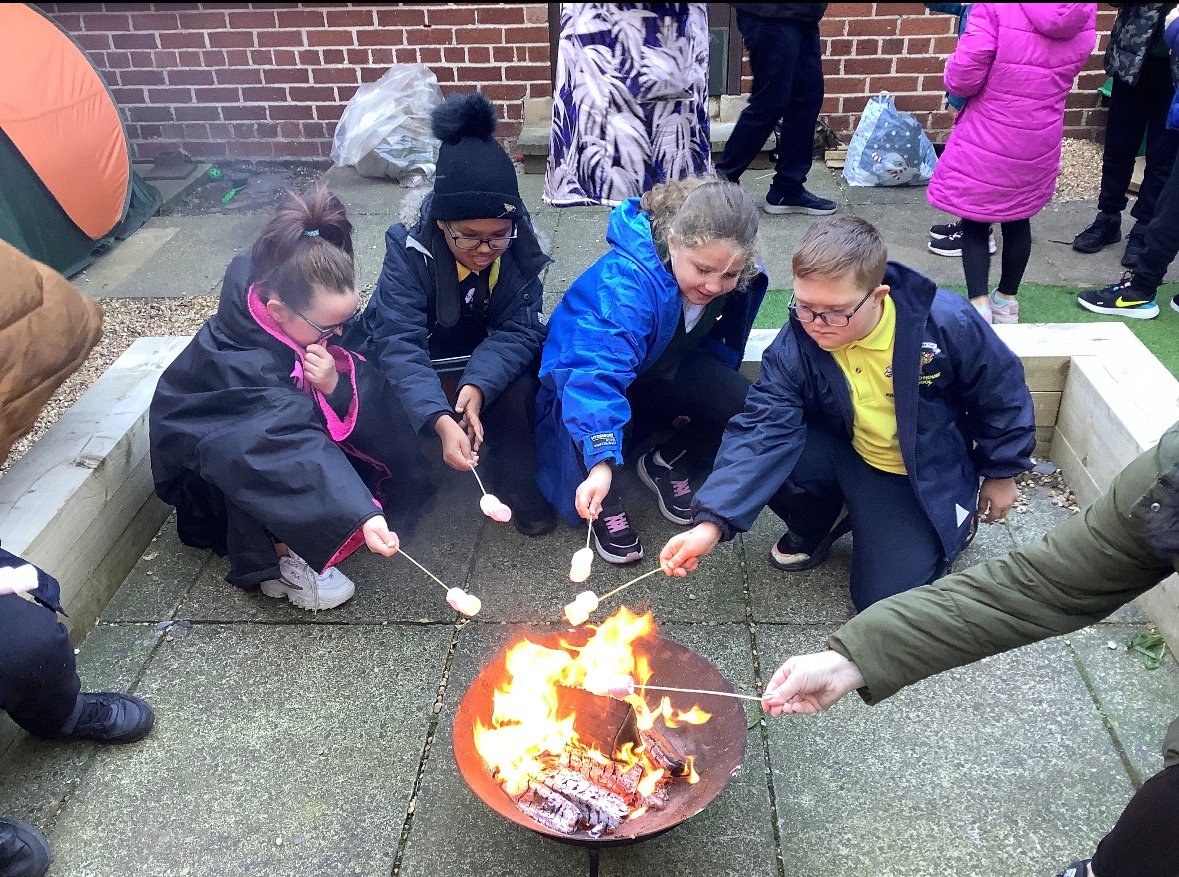
Killard House School and Donaghadee Primary School are located just six hundred metres apart in North Down. They have been working together since 2017 as part of a Shared Education Partnership.
Killard House School is a special school supporting pupils with a wide range of additional learning needs. Donaghadee Primary School is a mainstream controlled school. This Shared Education partnership has continued to evolve and strengthen, with a renewed focus this year on purposeful, well‑planned engagement that supports positive outcomes for both pupils and staff.
**What activities have you organised / taken part in?**
As part of our Shared Education journey, we have explored themes such as Physical Education and PDMU; Literacy (including storytelling, writing and discussion); Expressive Arts (art, drama, and puppetry); ICT (simple multimedia work and digital storytelling); and World Around Us (cultural awareness and community exploration).
Pupils are taking part in regular Pupil Voice sessions, where teachers facilitate small‑group discussions to help deepen and extend the learning. Across the year, pupils will participate in a programme of ten to fifteen shared sessions, delivered either at Killard House School or Donaghadee Primary School. Highlights so far have included Japanese pillow fighting, friendship‑bracelet making and enjoying shared outdoor learning.
**How have these Shared Education activities benefitted the educators and pupils?**
The partnership has encouraged a genuine exchange of ideas and expertise and a more inclusive ethos within both schools. This has included attending each other’s Christmas concert and Nativity rehearsals, helping to normalise relationships and strengthen connections.
For pupils, Shared Education has supported the development of social communication skills, confidence in new environments and positive relationships with peers from another setting. For staff, it has enhanced collaborative planning and reflective practice. Pupils have benefited from increased empathy, understanding, and cooperation through working alongside peers from a different educational context. Educators have gained valuable experience in inclusive practice, co‑planning and adapting learning to meet a diverse range of needs.
**What have been the challenges?**
One of the key challenges within the partnership has been meeting the diverse range of needs across both school settings. Pupils at Killard House often require additional support, differentiated communication approaches and sensory‑based strategies, while pupils at Donaghadee Primary typically learn within a mainstream environment. Ensuring that every child feels included, supported, and actively engaged has required thoughtful planning, flexibility, and ongoing collaboration among staff. Short, sustained sessions have proven to be the most effective way of maintaining meaningful links.
**Let’s hear from the pupils**
'Best day ever!'
'I really enjoyed Shared Education and your school.'
'I love meeting new people.'
‘I really loved making bracelets with my new friends from Donaghadee!’
‘Yayyy I forgot it was Shared Education today. I’m going to sit with my new friends and build Lego.’
**Top tips for others**
A key factor in the long‑term success of this work has been the dedicated time set aside for joint planning, the sharing of professional knowledge and the ongoing commitment from both schools to sustaining significant connections.
Looking ahead, the most effective practice continues to be rooted in starting small, planning collaboratively, and keeping pupil needs at the centre of every decision. Consistency across classes and clear communication between schools remain essential. Building strong relationships between staff, maintaining flexibility, and allowing time for reflection all contribute to a successful Shared Education partnership. Ultimately, Shared Education works best when it is inclusive, intentional, and grounded in the strengths of both school communities.
.jpg?width=3008&height=2115&name=IMG_8150%20(1).jpg)
St Patrick’s Primary School, Annaghmore, situated in Coalisland and Orchard County Primary School situated just over 6 miles away have been working together since 2017 as a Shared Education Partnership.
**What activities have you organised/ taken part in?**
Orchard County Primary School and St Patrick’s Primary School, Annaghmore have been working together through Shared Education Since 2017. Our collaboration has included a wide range of activities, which covered themes such as WAU and STEM, and more recently, digital literacy and outdoor learning. This year, we launched a joint survey called *“Our Shared Education Adventure 2025–26”*, inviting pupils from Year 2 to Year 5 to share their ideas. Teachers then facilitated small group discussions to explore these ideas further. Pupils expressed interest in creative art projects, outdoor numeracy, and opportunities to build friendships through games and partner work. Plans for the year include wellbeing activities and a collaborative art piece that will serve as a lasting legacy of our partnership.
**How have these Shared Education activities benefitted the educators and pupils?**
The impact of Shared Education has been significant. Pupils have not only come together across communities but have also taken an active role in shaping their experiences. Their involvement has led to more meaningful, inclusive, and fun activities with our partnership that reflect their interests and needs.
As educators, we have benefited from the insights pupils provide, allowing them to design programmes that are more engaging and relevant. Pupil enthusiasm plays a key role in fostering positivity around the initiative. It has helped build trust with parents when children express genuine excitement and ownership of the programme.
**What have been the challenges?**
One of the main hurdles has been addressing parental concerns about Shared Education. However, these have been eased by the visible joy and engagement of the pupils involved.
Another challenge lies in ensuring that activities remain inclusive and meaningful for all children. This requires ongoing adaptation of planned activities and responsiveness, especially as pupil voice continues to shape the direction of the programme.
**Let’s hear from the Children and Young People**
“That was the most fun ever!”
“I’ve made a new best friend!”
“I learned something super cool!”
**How has your partnership engaged with your local community and what has been the impact?**
Our partnership continues to explore meaningful ways to connect with and positively impact our local communities. Because our schools are geographically distant, we don’t naturally meet in shared local spaces, which makes intentional community engagement especially important. In previous years, we’ve successfully brought families together by using the local parish hall for joint sessions. Parents were invited to talk about their careers and take part in Q&A activities, which created valuable learning experiences and strengthened relationships between families and pupils.
This year, we’re building on that momentum by hosting celebration events in both schools at the end of our projects. Families will have the chance to explore each other’s schools, enjoy a cup of tea together, and see firsthand what pupils have accomplished.
**Top tips for others**
One of the strongest messages from this experience is that involving pupil voice isn’t optional—it’s essential. Listening to children helps ensure that Shared Education is relevant, engaging, and inclusive. Surveys and small group discussions are effective ways to gather pupil input, and their ideas often lead to creative and practical solutions.
Pupils shaping the project help spread the Shared Education message throughout the school. This year, they’re even planning to present their work to the Board of Governors—a great example of how pupil voice can influence at every level.
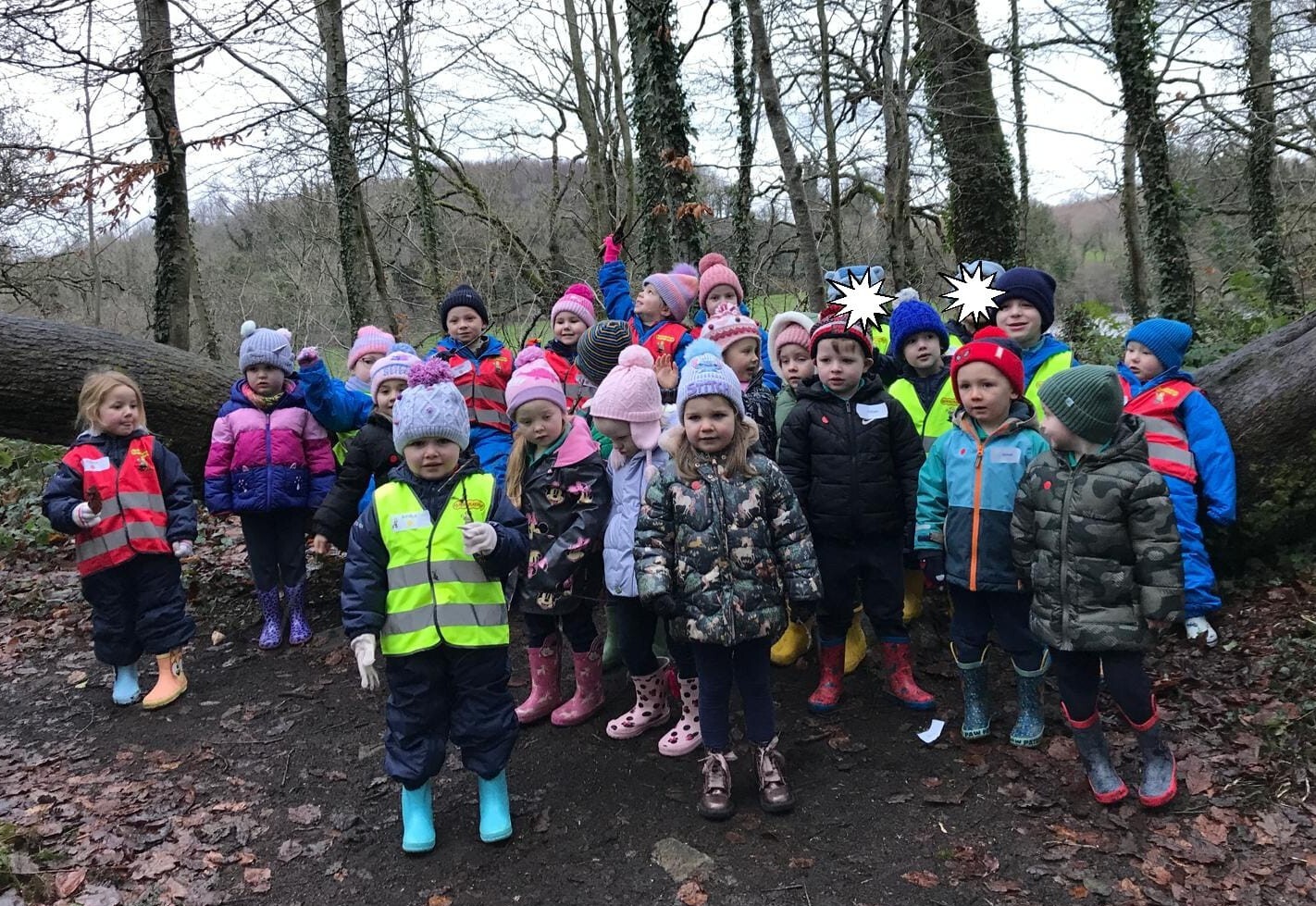Kilmood Playgroup and Teconnaught Preschool commenced their partnership in September 2025. They are both rural settings nestled within a close-knit community.
**What Shared Education activities have you organised/ taken part in?**
The dual sessions support children’s confidence, social skills, and familiarity with routines, aligning strongly with Personal Social Development and early communication within Language and Literacy. The Forest School trip to Fodder, including the scavenger hunt and nature walk, enriched children’s understanding of the natural world through The World Around Us while also promoting physical development and teamwork. Visits to the library for Rhythm and Rhyme strengthened early literacy, listening skills, and engagement. At Kaylee’s Kidzone, role‑play activities helped children explore community roles (WAU), develop expressive language, practise early numeracy, and engage creatively in line with The Arts. The Ark Farm visit will extend children’s knowledge of animals, life cycles, and farming within WAU. Time at the park will support gross motor development and cooperative play, and the beach walk will provide meaningful learning about the environment, natural materials, and seasonal change, linking closely to The World Around Us.
**How have these activities benefited the educators and children?**
These activities have strengthened relationships by giving both groups valuable opportunities to collaborate, share practice, and build confidence working alongside another setting. For children, meeting peers from different communities and engaging with local places has expanded their social experiences, supported new skill development, and helped them feel more connected to the wider community around them. It has also given the children experiences that they would not have had otherwise.
**What have been the challenges?**
The main challenges were coordinating planning across different schedules and managing the extra administrative work involved in a first‑time project. Even with extra paid hours, finding additional time outside the working day was difficult, and Social Services guidelines added further time constraints. We expect the process to be smoother next year with the experience we have gained.
**Let’s hear from the children**
At Kilmood we have to pack away after welcome time the children were told to go and play. A child from Teconnaught visiting at Kilmood for the first time looked around and asked, “Where are all the toys then?” which gave everyone a laugh. Another lovely moment came when an usually shy Kilmood child reassured a slightly anxious visitor by saying, “I will help you here,” showing how quickly friendships began to form across both settings.
**How has your partnership engaged with your local community and what has been the impact?**
Our partnership has actively engaged with the local community by using local suppliers for resources, involving and encouraging parents, making use of the library, and supporting nearby businesses through our visits and activities. This has given children meaningful opportunities to learn about their community, build new skills, and experience local facilities in a positive, connected way.
**Top tips for others**
A helpful tip is not to be put off by the administration at the start, it feels like a lot, but once you get into the routine it becomes much more manageable. With experience, the planning and organisation become smoother, making each year easier to deliver. Running dual sessions at the start in our own settings was also beneficial because we were familiar with the environment, though it’s important to keep Social Services guidelines on ratios and numbers in mind when planning.
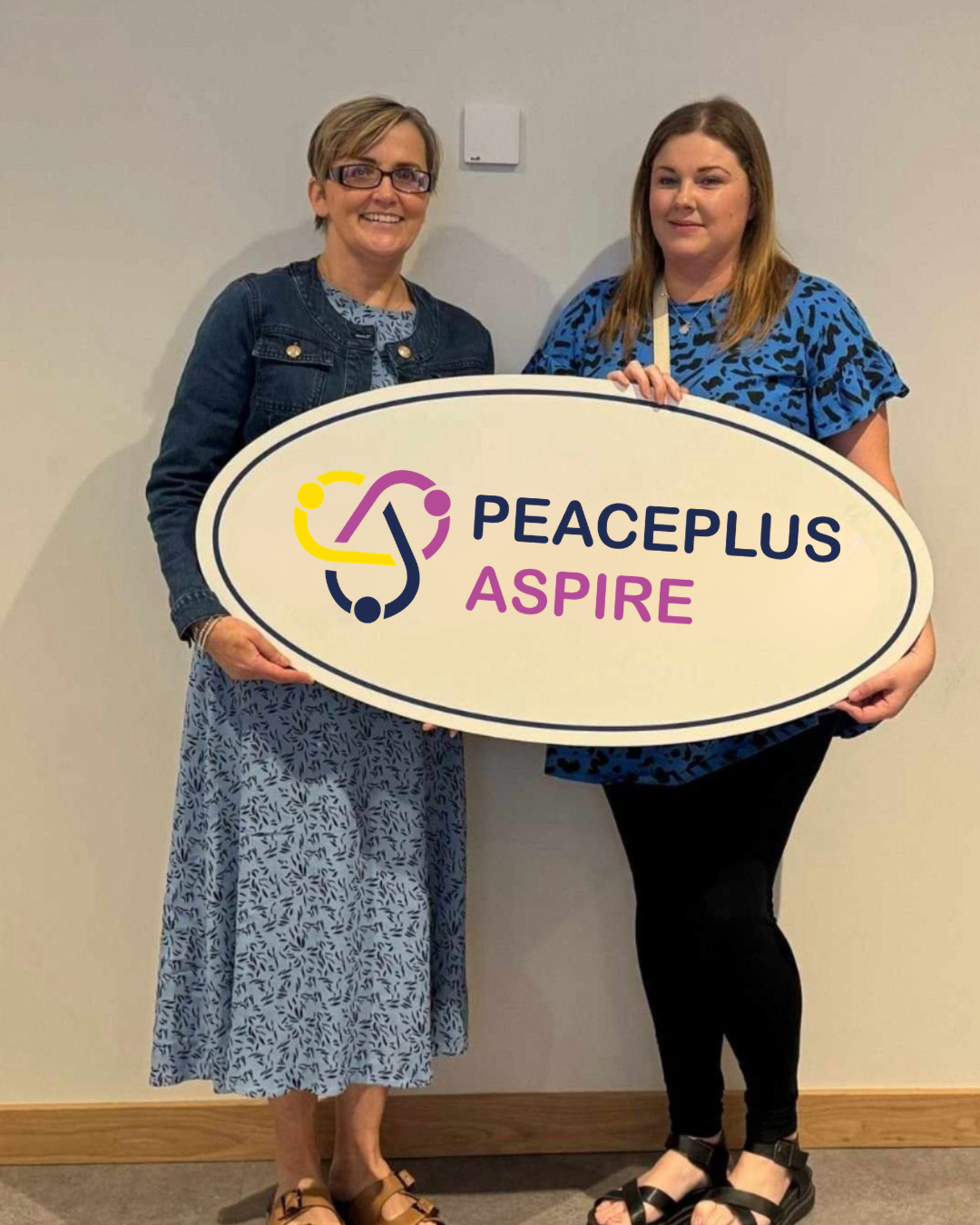
Lisa and Stephanie are both based in Letterkenny, Learn N Play is a community pre-school central to Letterkenny town and Stepping Stones Playgroup is a community-based pre-school setting, located in St. Johnston, Co. Donegal. Both pre-schools provide daily sessions for children participating in the Early Childhood Care and Education (ECCE) Programme. Both pre-schools participated in the ‘sharing from the start’ Shared Education programme for 5 years with different partners and are now on their second year with each other on the PEACEPLUS Aspire programme.
**What Shared Education activities have you organised or taken part in?**
Stepping Stones is a rural setting and predominantly Irish, while Learn N Play is more central with a very diverse range of children. Because of this, we believe in a *slow, relational pedagogy* that celebrates our own culture while respecting difference.
We regularly come together as settings to give the children time to become familiar with each other’s schools. We support this through the regular use of social stories to help prepare the children.
One activity we run every year is a **Celebration of Culture and Diversity**, where all families are invited to participate. This year, parents provided a wide range of activities, including henna tattoos, face painting, Irish dancing, music and movement, a flag-making creative station, and interactive storytelling with our local library.
We finished with a fashion show, where the children wore their traditional clothes. This created wonderful conversations between children and families who had just met, talking about what they were wearing and why. It linked beautifully with *Aistear*, particularly the themes of identity and belonging, and our shared learning outcomes.
**How have these activities benefitted the educators and children?**
The activities have really benefitted the children in recognising both their differences and similarities. They are celebrating their own culture while also becoming curious about others.
We see lovely conversations happening, about what they wear, why we dress differently, henna tattoos, and traditional dancing. These shared experiences help build a strong sense of identity and belonging.
They have also created real collaboration between educators and parents. We use these sessions as an opportunity to bring everyone together as equal partners in the children’s learning journey.
We often think about how it feels for a child to come in wearing their traditional clothes, how proud they must feel seeing others do the same, and being able to share their story while others ask questions.
We are very lucky to have a diverse staff team with a lot of knowledge and understanding of different cultures. Equality and diversity are at the core of what we believe in.
We are now really starting to see friendships build, with children naturally drawn to each other. Sessions are planned using the voices of the children, their families, and the educators, and we reflect together to build on the children’s interests and inquiries.
We have also learned so much from each other’s settings, right down to how each operates, for example, sharing ideas around lunchtime routines. This has benefitted us both greatly.
**What have been the challenges?**
For our AIMS children, we are very mindful of transitions and sensory needs. Things like larger groups, travelling on the bus, or changes in routine can sometimes be challenging.
To support this, we plan activities based on the children’s interests to help create smoother transitions.
There can also be challenges around logistics, such as organising morning and afternoon sessions that suit working families, but with good planning, we continue to work through these.
**Let’s hear from the children**
The children’s voices really highlight the experience:
“Ruby has the same name as Ruby in our school.”
“Why do the children all dress the same?” (noticing the uniform)
Ava and Elle loved the fashion show and even did a double loop. They also really enjoyed having a picnic on the floor with their new friends.
Julian, who loves space, spent lots of time at the flag station drawing planets.
Yegor was delighted to meet another child who speaks the same language and was excited to connect and chat.
**How has your partnership engaged with your local community and what has been the impact?**
We engage with our local community through outings and by involving people in what we do, our bus driver, local farmers bringing in tractors, and visits to outdoor spaces such as Glebe Park.
We also share our work through online posts, and using mosic and by delivering presentations to other educators, including at ATU, where we highlight our participation in Shared Education and the benefits it brings to our settings and families.
**Top tips for others**
Look at your core values and consider what parents and the community can bring to your shared sessions.
Take time to get to know your partner setting, the educators and the children.
We feel very lucky with our partnership. We complement each other and are very much on the same wavelength.
We genuinely enjoy it and would highly recommend it.
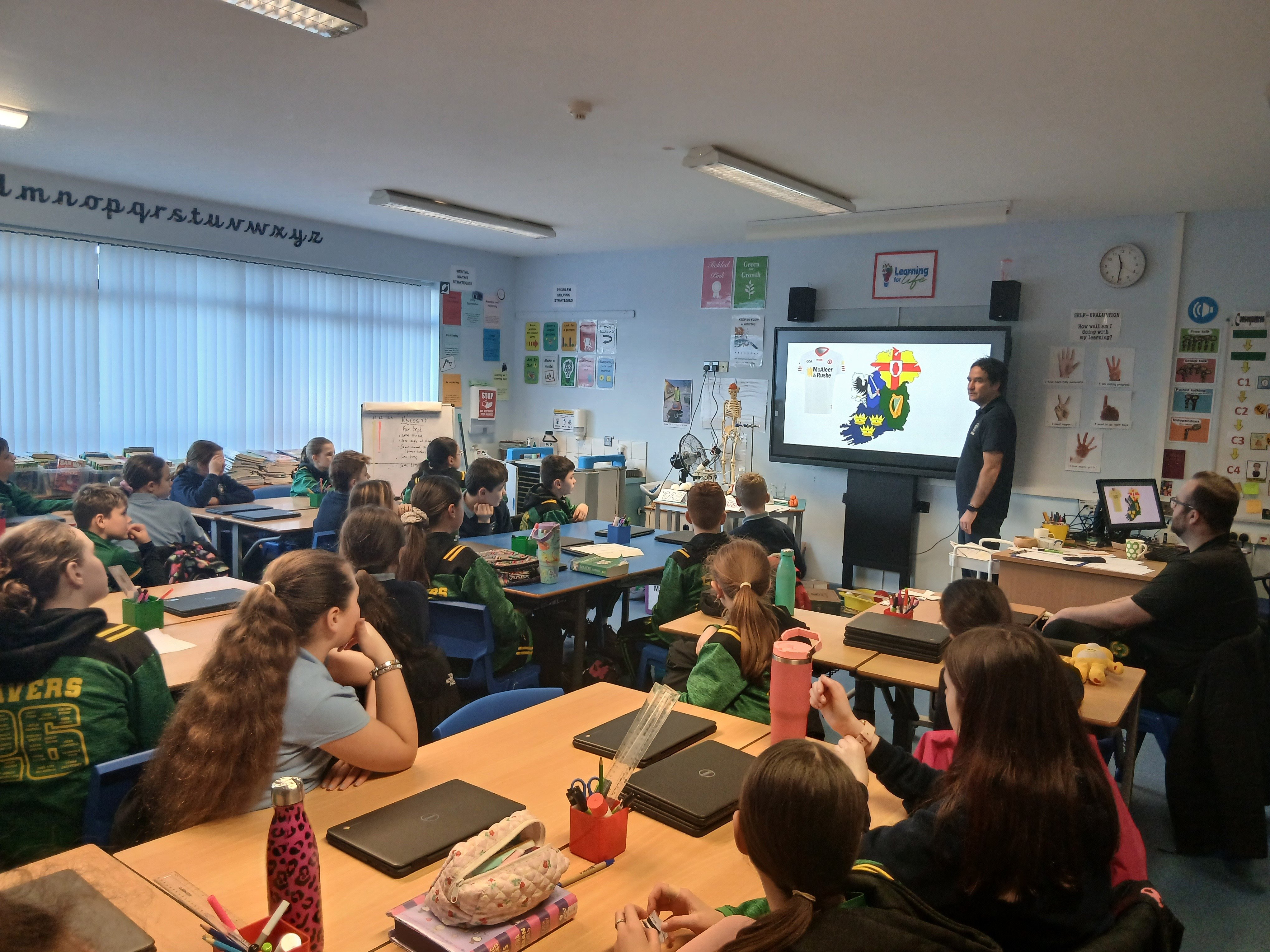
Ballycarrickmaddy Primary School (BCM) and St Patrick’s Primary School, Aghacommon are located within the same regional locality. The partnership has been established for eight years and builds on previous involvement in the CASE project. Together, the schools engage pupils from P5 and P7 in a sustained programme of shared learning experiences.
**What Shared Education activities have you organised/ taken part in?**
The Shared Education activities have been delivered across PDMU, Literacy, Numeracy, Art, PE and UICT. Pupils have participated in joint classroom sessions, collaborative group work exploring identity, culture, diversity and respect, and structured discussions addressing sectarianism, racism and prejudice. Digital collaboration has supported both face-to-face and online learning through the use of iPads, Chromebooks, Google Workspace, Adobe Express, Google Forms enabling pupils to work together across schools throughout the years.
**How have these activities benefitted the educators and children/ young people?**
Children and young people have developed positive relationships with peers from a different community, increased confidence, and improved collaboration, communication and digital skills. The children are now developing a deeper understanding of the cultural similarities and difference between the two school communities. School staff have benefitted from shared planning, professional collaboration, and increased confidence in using digital technology to enhance learning. Teachers have benefited from working with a school from a different community in Northern Ireland by gaining fresh perspectives, building stronger cross‑community understanding, and enriching their teaching through shared ideas and collaborative experiences.
**What have been the challenges?**
The distance between the schools (greater than 10 miles) has created transport and timetabling challenges. There are a lack of opportunities to explore incidental learning experiences other than those formally planned for the PEACEPLUS ASPIRE Programme. Careful planning has been required to coordinate shared sessions and maximise opportunities for meaningful engagement.
**Let’s hear from the children/young people**
“I really enjoyed learning about the weather cycle and cricket. I especially found meeting new friends fun, learning an going into Ballycarrickmaddy's forest and I found our similar yet different cultures fascinating.”
“I loved how many different friendships I made and doing shared education has made me more confident and less shy i personally loved it and would love to have an experience like this again.”
“I think to make Shared Education better we could meet them more. I liked meeting new people. We all have different cultures, but we all go to school. I liked meeting new friends.”
“I liked the feeling of knowing an unfamiliar face but feeling a familiar friendly feeling. I enjoyed working with different partners and making new friends as well as learning the different cultures between us.”
**How has your partnership engaged with your local community and what has been the impact?**
The partnership has engaged parents and the wider community through involvement with local sports organisations. We made use of community facilities at Crewe F.C. a cross community Football Club who are opening their facilities to build relationships with organisations beyond solely football. We created visibility via school websites and newsletters. This has strengthened community relationships and promoted awareness and understanding of Shared Education
**Top tips for others**
Develop strong, long-term partnerships and ensure activities are clearly linked to the curriculum. Make effective use of digital technology to support collaboration, particularly where distance and transport present challenges. Start simple and allow the partnership to develop and evolve. Relationships between staff need to come first and foremost to allow for a successful partnership, so they can gain the confidence to have open discussions on cultural diversity. Then having the confidence to incorporate this into the teaching programme being delivered, in a meaningful, yet subtle way to engage the children.
## **Contact us**
Get in touch with the PEACEPLUS ASPIRE Team at Léargas if you have any questions, need support, or if your school would like to get involved. We’d love to hear from you and explore how we can work together to create meaningful opportunities for shared education in your school and community.
- Get in touch with us by email at [peaceplusaspire@leargas.ie](mailto:peaceplusaspire@leargas.ie)
- [Meet the PEACEPLUS ASPIRE Team at Léargas](https://www.leargas.ie/our-team/)


King’s Inns House
Parnell Street
Dublin 1
D01 A3Y8
Email: [info@leargas.ie](mailto:info@leargas.ie)
-
-
-
-
-
- Explore Opportunities
- [Adult Education](https://www.leargas.ie/explore-adult-education-opportunities/)
- [School Education](https://www.leargas.ie/explore-school-education-opportunities/)
- [Vocational Education and Training](https://www.leargas.ie/explore-vocational-education-training-opportunities/)
- [Youth](https://www.leargas.ie/explore-youth-opportunities/)
- Create a Project
- [Erasmus+](https://www.leargas.ie/erasmus-plus/)
- [European Solidarity Corps](https://www.leargas.ie/european-solidarity-corps/)
- [Application Process](https://www.leargas.ie/application-process/)
- [Other Projects](https://www.leargas.ie/other-projects/)
- [Languages](https://www.leargas.ie/languages/)
- [Manage Your Grant](https://www.leargas.ie/manage-your-grant/)
- [Networks](https://www.leargas.ie/networks/)
- [EPALE](https://www.leargas.ie/epale/)
- [Youth Wiki](https://www.leargas.ie/youth-wiki/)
- [Eurodesk](https://www.leargas.ie/eurodesk/)
- [eTwinning](https://www.leargas.ie/etwinning/)
- [Volunteer](https://insights.leargas.ie/volunteer/?hsLang=en-ie)
- [European Solidarity Corps](https://www.leargas.ie/european-solidarity-corps/)
- [Training and Events](https://www.leargas.ie/training-and-events/)
- [Impact Stories](https://www.leargas.ie/impact-stories/)
- [About Léargas](https://www.leargas.ie/about-us/)
- [Governance](https://www.leargas.ie/governance/)
- [Our Mission](https://www.leargas.ie/about-us/our-mission/)
- [Blog](https://blog.leargas.ie/blog?hsLang=en-ie)
- [News](https://www.leargas.ie/news-landing/)
- [Jargon Buster](https://www.leargas.ie/jargon-buster/)
- [Resources](https://www.leargas.ie/resources/)
- [Programme Results](https://www.leargas.ie/resources/programme-results/)
- [Get In Touch](https://www.leargas.ie/contact/)
- [Freedom of Information](https://www.leargas.ie/freedom-information/)
- [Site Map](https://www.leargas.ie/site-map/)
- [Newsletter](https://insights.leargas.ie/sign-up-for-the-leargas-newsletter?hsLang=en-ie)
- [COVID-19 Travel Advice](https://www.leargas.ie/covid-19/)
- [Privacy Policy](https://www.leargas.ie/privacy-policy/)
- [Accessibility](https://www.leargas.ie/accessibility/)
© Léargas 2026 Created by Point Blank